
Understanding Food Choices and Daily Energy Levels
Explore the connection between what you eat and how you feel throughout the day. Discover the science behind energy dips, sustained vitality, and the role of everyday food choices in your wellbeing.
Key Insights on Food and Energy
of people report afternoon energy slumps linked to their meal timing and food choices
is the typical energy window after a balanced meal before productivity drops
improvement in afternoon focus reported when snacking on whole foods instead of refined carbs
of protein, fat, and carbohydrates is the foundation for stable energy throughout the day
How Your Meals Shape Your Energy
The Meal-Energy Connection
Every meal you consume triggers a cascade of biological responses that influence your energy levels. When you eat balanced combinations of protein, healthy fats, and complex carbohydrates, your body digests these nutrients steadily, releasing glucose into your bloodstream at a moderate pace. This consistency keeps your blood sugar stable, preventing the sharp peaks and valleys that lead to fatigue and brain fog.
Conversely, meals high in refined sugars and simple carbohydrates cause rapid blood sugar spikes followed by crashes. These energy swings—common after sugary breakfast cereals, white bread, or confectionery—leave you feeling drained within hours. Understanding this mechanism is the first step toward designing a daily eating pattern that sustains your vitality.
Your body also relies on micronutrients like iron, B vitamins, and magnesium to convert food into energy at the cellular level. Nutrient-dense choices amplify your natural energy production, while processed foods often lack these essential cofactors, leaving you relying on caffeine to stay alert.

Six Core Features That Transform Your Daily Energy
Whole Foods Over Processed
Choosing whole, unrefined foods like fruits, vegetables, legumes, and whole grains provides sustained energy because your body takes longer to break them down. Processed foods with added sugars and unhealthy fats create energy crashes. Whole foods contain fibre, which slows digestion and prevents blood sugar spikes, keeping you alert for hours.
Protein as Your Energy Anchor
Protein stabilises blood sugar and supports the production of neurotransmitters that regulate focus and mood. Including lean meats, fish, eggs, legumes, or nuts in every meal creates a foundation for consistent energy. Protein also provides satiety, preventing the mid-afternoon hunger that triggers poor snacking choices and energy dips.
Strategic Hydration Patterns
Dehydration is one of the fastest routes to fatigue and mental fog. Even mild water loss affects cognitive performance and physical stamina. Drinking water throughout the day—especially before and between meals—ensures optimal energy delivery to your cells. Many energy slumps are actually signals of thirst masquerading as hunger.
Meal Timing for Sustained Vitality
Eating at consistent times trains your body's internal clock and energy systems. Regular breakfast, lunch, dinner, and thoughtfully timed snacks prevent the energy volatility that comes from skipping meals or eating at irregular intervals. Your circadian rhythm influences metabolism and energy availability, making meal consistency a powerful but often overlooked leverage point.
Balanced Macro Ratios
The proportions of carbohydrates, proteins, and fats matter as much as the sources. A typical energy-supporting ratio is approximately 40% carbs, 30% protein, and 30% fat—though individual needs vary. Complex carbs with adequate protein and healthy fats create a slow, steady energy release. This balance prevents the insulin spikes and crashes that drain vitality.
Nutrient Density and Micronutrients
Energy production at the cellular level depends on minerals like magnesium, iron, and zinc, plus B vitamins that serve as coenzymes in metabolism. Choosing foods rich in these micronutrients—dark leafy greens, nuts, seeds, and whole grains—ensures your body has the raw materials to manufacture and sustain energy efficiently, rather than relying on stimulants.
The Daily Energy Cycle: A Practical Framework
Morning: Breakfast Foundations
Start with a meal combining complex carbs (oatmeal, whole grain toast), protein (eggs, yoghurt, nuts), and healthy fat (avocado, olive oil). This sets your metabolic tone for the day and prevents mid-morning energy crashes. A strong breakfast delays fatigue by 4-5 hours.
Mid-Morning: Strategic Snacking
A small snack around 10-11 AM bridges the gap to lunch and prevents the energy dip that often leads to poor food choices. Pair a fruit with nuts, or have a small serving of cheese with whole grain crackers. This keeps blood sugar stable and mental clarity sharp.
Lunch: The Energy Anchor
Lunch is your main opportunity to fuel afternoon productivity. Prioritise a substantial protein source, plenty of vegetables, and wholesome carbs. Avoid heavy, processed meals that trigger post-lunch crashes. A well-designed lunch extends your peak performance window into the late afternoon.
Afternoon & Evening: Sustain and Balance
A light afternoon snack (herbal tea with a handful of almonds) can bridge to dinner without disrupting sleep. Evening meals should be lighter and consumed 2-3 hours before bed. Balance carbs with protein to maintain stable energy without sleep disruption or nighttime energy crashes.
Energy-Boosting Foods at a Glance
Vegetables & Greens
- Spinach (iron, magnesium)
- Broccoli (B vitamins, fibre)
- Sweet potato (complex carbs)
- Bell peppers (vitamin C)
- Kale (sustained minerals)
Proteins & Legumes
- Salmon (omega-3s, B12)
- Eggs (choline, complete protein)
- Lentils (protein + fibre)
- Chicken breast (lean protein)
- Greek yoghurt (protein + probiotics)
Whole Grains & Healthy Fats
- Oats (sustained release carbs)
- Brown rice (B vitamins)
- Almonds (magnesium, healthy fat)
- Avocado (monounsaturated fats)
- Quinoa (complete protein grain)
Food Choices That Drain Energy
Refined Carbohydrates
White bread, pasta, sugary cereals, and pastries cause rapid blood sugar spikes followed by sharp crashes. Your body releases insulin quickly to manage the glucose surge, only to experience an energy plummet within 1-2 hours. These foods provide empty calories without the fibre or nutrients needed for sustained vitality.
Added Sugars & Confectionery
Chocolate bars, soft drinks, sweets, and sugary snacks deliver a brief energy boost followed by severe crashes. The sugar triggers dopamine release in your brain, creating a temporary high that inevitably falls. Frequent consumption trains your body to expect and crave these spikes, making consistent energy harder to achieve naturally.
Ultra-Processed Foods
Ready meals, instant noodles, and heavily processed snacks often contain hydrogenated oils, high sodium, and chemical additives that stress your digestive system and deplete energy. Your body expends significant effort detoxifying these substances, leaving less energy for daily tasks. The micronutrient content is typically minimal despite high calorie density.
Excessive Caffeine & Stimulants
While caffeine can provide short-term focus, relying on it masks underlying energy problems and creates dependency. Over-consumption leads to jittery crashes, sleep disruption, and adrenal fatigue. True energy comes from food choices and lifestyle; stimulants are temporary masks that prevent you from addressing root causes of fatigue.
Frequently Asked Questions About Food and Energy
Post-lunch fatigue often relates to meal size, macronutrient balance, and digestion effort. Large meals require significant digestive energy, and an imbalance—too many carbs, insufficient protein—can trigger blood sugar swings that feel like drowsiness. Additionally, your circadian rhythm naturally dips in early afternoon. Eating smaller lunches with balanced macros, drinking water, and taking a brief walk after eating can combat this natural energy dip.
You can feel the difference within a single meal cycle—roughly 3-4 hours. A balanced breakfast will noticeably affect your mid-morning alertness. Over days and weeks, consistent good choices build improved baseline energy as your body stabilises blood sugar and accumulates micronutrients. Some people report feeling significantly better within 3-5 days of making deliberate food changes. Energy improvements compound: better choices lead to better sleep, which amplifies daytime vitality.
Yes. Foods rich in B vitamins, iron, magnesium, and complex carbohydrates support energy production at the cellular level. Salmon, eggs, spinach, almonds, and oats are especially potent. However, the impact depends on your current nutritional status, overall meal composition, and individual metabolism. A single "energy food" won't compensate for poor choices elsewhere in your diet. Consistent, balanced eating patterns matter more than any single superFood.
No. Skipping breakfast deprives your brain and muscles of fuel after 8-12 hours without food. This creates early morning fatigue, poor concentration, and often leads to overeating later in the day as your body desperately seeks energy. People who eat breakfast consistently report better focus, improved mood, and more stable energy throughout the day. A balanced breakfast doesn't need to be large—even a small meal with protein and complex carbs sets a foundation for better energy.
Dehydration reduces blood volume and oxygen delivery to your brain and muscles. Even 2% fluid loss impairs mental clarity and physical performance. Water enables nutrient transport, temperature regulation, and cellular energy production. Many people confuse mild dehydration with hunger or fatigue, turning to food when they actually need water. Drinking 1.5-2 litres of water daily—more if active—supports consistent energy. Herbal teas and water-rich foods like cucumber and melon also contribute to hydration.
Absolutely. Heavy or sugary meals eaten late disrupt sleep through blood sugar spikes and digestive strain. Poor sleep severely impairs next-day energy regardless of what you eat. Conversely, eating dinner 2-3 hours before bed with a balance of complex carbs and protein supports the production of neurotransmitters like serotonin and melatonin that promote restful sleep. Better sleep creates a positive feedback loop: you wake refreshed and have more energy to make good food choices throughout the day.
A Visual Guide to Energy-Boosting Meals
Salmon & Roasted Vegetables
Omega-3 fatty acids, complete protein, and mineral-rich vegetables combine for sustained mental clarity and stable energy. Ideal for lunch or dinner.

Oatmeal with Berries & Nuts
Complex carbs from oats release energy slowly, while berries provide antioxidants and nuts add healthy fats. A breakfast that sustains energy for hours.

Chickpea Buddha Bowl
Legumes provide plant-based protein and fibre; leafy greens supply iron and magnesium. A balanced meal supporting consistent afternoon energy.

Greek Yoghurt & Granola
Probiotics from yoghurt support gut health; granola adds B vitamins and complex carbs for sustained energy release throughout your day.

Berry Smoothie Bowl
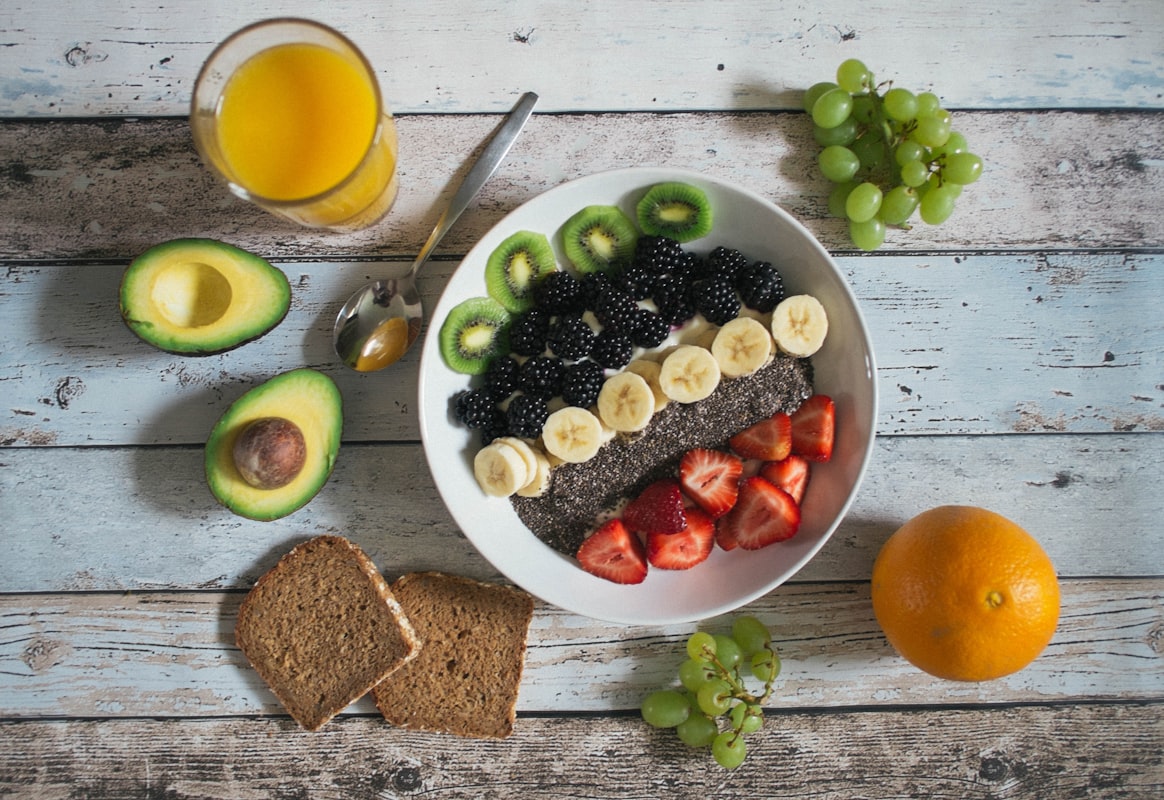
Berries deliver anthocyanins and vitamin C; coconut and nuts provide healthy fats. A vibrant breakfast to kickstart your morning energy.
What Our Community Says
"Foodenergyvibes transformed how I eat. I have consistent energy throughout the day, and I feel genuinely nourished."
Sarah M.
Wellness Coach, London
"The recipes are simple, delicious, and actually work. No more 3pm energy crashes for me. Highly recommend!"
James T.
Software Developer, Manchester
"Finally, someone explains WHY foods work. Understanding the science behind each meal makes choosing well so much easier."
Emma L.
Nutritionist, Bristol
Frequently Asked Questions
Are all recipes suitable for vegetarians?
Most of our recipes are vegetarian or easily adaptable. We clearly label each recipe and provide plant-based alternatives where protein sources are concerned.
How quickly will I notice an energy difference?
Many people report feeling more stable energy within 3–5 days of consistent eating. Full benefits typically emerge within 2–3 weeks as your body adapts to nutrient-dense foods.
Can I meal-prep these recipes?
Absolutely! Most of our recipes are designed for batch cooking. We provide storage tips and 5-day meal prep guides with each recipe collection.
Do I need special equipment or ingredients?
No. All recipes use common kitchen equipment and whole foods available at your local supermarket or farmers' market. We focus on accessibility.
Is Foodenergyvibes suitable for people with allergies?
We provide detailed allergen information for every recipe and suggest substitutions. Always read ingredient lists carefully and consult a healthcare provider if you have severe allergies.
Start Your Energy Journey Today
Join thousands of people discovering the power of food as fuel. Consistent energy, better health, better life.
Your privacy is protected. We never share your data.